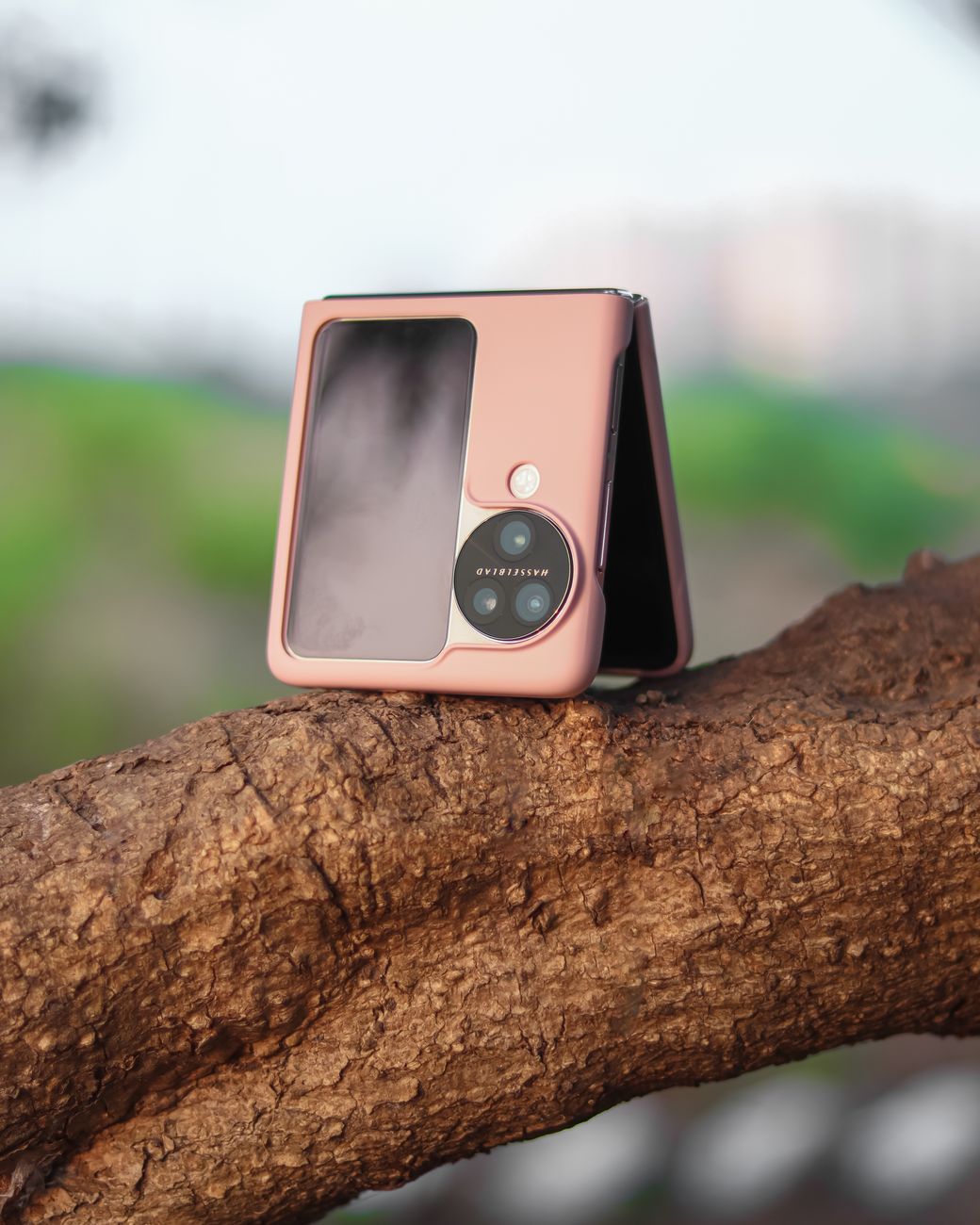
Foldable Phone Reviews 2024: Are They Worth the Investment?
The smartphone industry has witnessed a paradigm shift with the advent of foldable phones—devices that combine the portability of a phone with the screen real estate of a tablet. Once dismissed as a gimmick, foldables have matured significantly, with major players like Samsung, Google, and OnePlus releasing iterations that promise improved durability, better cameras, and refined software. But are they worth the hefty price tag? In this comprehensive guide, we dive deep into foldable phone reviews for 2024, weigh the pros and cons, and help you decide if a foldable smartphone is right for you.
What Are Foldable Phones and Why Are They Gaining Traction?
A foldable phone is a mobile device with a flexible display that can be folded, typically in half, to create a more compact form factor or to reveal a larger screen. There are two main form factors: book-style (like the Samsung Galaxy Z Fold series) that opens like a book to reveal a tablet-sized inner display, and clamshell-style (like the Samsung Galaxy Z Flip) that folds vertically to become smaller than a traditional smartphone.
In 2024, foldable phones have gained significant traction due to several factors:
- Enhanced multitasking capabilities: The larger inner screen allows for true multitasking, such as running multiple apps side-by-side.
- Improved portability: Clamshell foldables offer a compact footprint that fits easily in pockets.
- Innovative camera experiences: Flex modes enable hands-free photography and video calls.
- Maturation of technology: Hinges are more durable, creases less noticeable, and software more optimized.
According to IDC, global foldable shipments grew over 40% year-over-year in Q1 2024, signaling strong consumer interest.
The Top Foldable Phones of 2024: A Detailed Review
We’ve tested the leading foldable phones of 2024 to bring you actionable insights. Below is a comparison of the best foldable smartphones currently available.
| Model | Form Factor | Key Specs | Starting Price | Best For |
|---|---|---|---|---|
| Samsung Galaxy Z Fold 5 | Book-style | 7.6" inner, Snapdragon 8 Gen 2, 4400mAh | $1,799 | Productivity, multitasking |
| Samsung Galaxy Z Flip 5 | Clamshell | 6.7" inner, 3.4" cover, Snapdragon 8 Gen 2 | $999 | Style, portability |
| Google Pixel Fold | Book-style | 7.6" inner, Tensor G2, 4821mAh | $1,799 | Camera, software experience |
| OnePlus Open | Book-style | 7.82" inner, Snapdragon 8 Gen 2, 4805mAh | $1,699 | Fast charging, light weight |
| Motorola Razr+ (2024) | Clamshell | 6.9" inner, 3.6" cover, Snapdragon 8+ Gen 1 | $999 | External display, customization |
Samsung Galaxy Z Fold 5: The Productivity King
Samsung's fifth-generation book-style foldable refines the formula with a lighter design (253g) and a more durable hinge. The inner 7.6-inch Dynamic AMOLED 2X display is stunning for media consumption and multitasking. With One UI 5.1.1, you can run three apps simultaneously. The camera system—50MP main, 12MP ultrawide, and 10MP telephoto—is competent but not class-leading. Battery life is a full day with moderate use.
Verdict: Best for power users who want a tablet in their pocket.
Samsung Galaxy Z Flip 5: Style Meets Function
The Z Flip 5 shines with its large 3.4-inch cover display that shows notifications, widgets, and even full apps. The 6.7-inch inner screen is crease-free to the touch. It’s a fashion statement but compromises on camera (12MP+12MP) and battery (3,700mAh). Still, it’s the best clamshell for most people.
Verdict: Ideal for trendsetters and those craving compactness.
Google Pixel Fold: The Camera Champion
Google’s first foldable boasts the best camera system among foldables, leveraging computational photography. The 48MP main, 10.8MP ultrawide, and 10.8MP telephoto deliver stunning shots. The 7.6-inch OLED inner display is bright and smooth (120Hz). However, the Tensor G2 chip is less powerful than Snapdragon counterparts, and the device is heavier (283g).
Verdict: For photographers who want a foldable.
OnePlus Open: The Lightweight Contender
OnePlus surprised with the Open—the lightest book-style foldable at 239g. The 7.82-inch inner display is vibrant, and the 67W charging (full charge in 42 minutes) is a game-changer. Camera setup (48MP+48MP+64MP periscope) is versatile. Software (OxygenOS) is clean and fluid.
Verdict: Excellent all-rounder for those prioritizing weight and charging.
Motorola Razr+ (2024): Best Cover Display
Motorola’s latest clamshell features a massive 3.6-inch pOLED cover display that runs full apps. The main 6.9-inch display is crease-free. Cameras (50MP+13MP ultrawide) are decent, battery life average (3,800mAh). It’s more affordable than the Flip 5 and offers deeper external display customization.
Verdict: Great for external display enthusiasts and budget-conscious buyers.
Pros and Cons of Foldable Phones
Every technology has trade-offs. Here’s an honest assessment of foldable phone pros and cons.
The Good: Why You Should Consider a Foldable
- Increased Screen Real Estate: The inner display offers a tablet-like experience for reading, watching videos, and working on documents.
- Enhanced Multitasking: Run two or three apps side-by-side with ease—perfect for comparing prices or taking notes while on a call.
- Portability: Folded, a book-style device is more compact than a traditional phablet; clamshells are ultra-portable.
- Novelty and Style: Foldables are conversation starters and often come in unique colors and finishes.
- Flex Mode: Hands-free use for video calls, tripod shots, and watching content with the phone partially folded.
The Bad: What to Watch Out For
- Price: Foldables are expensive—most book-style models cost over $1,500, clamshells around $1,000.
- Durability Concerns: Despite improvements, the flexible screen is more vulnerable to scratches and impacts. The hinge can collect dust.
- Battery Life: Two screens and larger displays demand more power; battery life is often average compared to slab phones.
- Camera Quality: Many foldables still lag behind traditional flagships like the iPhone 15 Pro Max or Galaxy S24 Ultra in camera performance.
- Crease: While less noticeable, the crease is still visible under certain lighting.
- Software Optimization: Not all apps are optimized for the foldable form factor, leading to awkward layouts or black bars.
| Aspect | Pros | Cons |
|---|---|---|
| Display | Large, vibrant; multitasking | Crease visible; fragile |
| Portability | Compact when folded; less pocket space | Heavier than slab phones (book-style) |
| Durability | Hinges improved; IPX8 water resistance on some | Screen easily scratched; hinge dust entry |
| Battery | Decent for moderate use | Less endurance than slab flagships |
| Camera | Good for everyday photos | Not ultrawide or telephoto on all models |
| Software | Multitasking features | Few apps optimized |
Durability and Longevity: How Long Do Foldable Phones Last?
One of the biggest concerns with foldable phones is their lifespan. Early foldables had notorious hinge failures and screen bubbling. By 2024, manufacturers have made strides:
- Samsung claims the Z Fold 5 hinge can withstand 200,000 folds (about 5 years of use).
- Google uses a custom steel hinge on the Pixel Fold rated for 200,000 folds.
- Motorola’s Razr+ hinge is tested for 400,000 folds.
But real-world durability depends on usage. Drop protection is poor—a fall onto pavement can shatter the inner screen. Most foldables have IPX8 (water resistance) but no dust resistance. Pro tip: Always use a case and consider Samsung Care+ or similar insurance.
Camera Performance Comparison
Foldable cameras have improved but still trail traditional flagships. Here’s a breakdown:
| Model | Main Camera | Ultrawide | Telephoto | Selfie | Video |
|---|---|---|---|---|---|
| Galaxy Z Fold 5 | 50MP f/1.8 | 12MP f/2.2 | 10MP 3x | 10MP (cover) + 4MP (inner) | 8K@24fps |
| Google Pixel Fold | 48MP f/1.7 | 10.8MP f/2.2 | 10.8MP 5x | 8MP (cover) + 8MP (inner) | 4K@60fps |
| OnePlus Open | 48MP f/1.7 | 48MP f/2.2 | 64MP 3x | 20MP (cover) + 32MP (inner) | 4K@60fps |
| Galaxy Z Flip 5 | 12MP f/1.8 | 12MP f/2.2 | None | 10MP (cover) | 4K@60fps |
| Motorola Razr+ 2024 | 50MP f/1.8 | 13MP f/2.2 | None | 32MP (inner) | 4K@30fps |
Takeaway: If camera is your priority, the Pixel Fold or OnePlus Open are your best bets. Clamshells compromise on telephoto and battery for portability.
Software Experience: Optimized for Foldables?
Software is critical to the foldable experience. Android 14 and One UI 6 bring features like:
- Taskbar: Pin favorite apps for quick launch.
- App Pairing: Open two apps together with one tap.
- Flex Mode Panel: Controls for media, camera, and more when partially folded.
However, many third-party apps are not optimized. For example, Instagram may display awkwardly on the large inner screen. Google is pushing Android’s “large screen” guidelines, but adoption is slow. Our advice: Stick to Google apps and system apps for the best experience.
Price vs. Value: Are Foldable Phones Worth the Premium?
The biggest barrier is cost. Here’s a cost-benefit analysis:
Scenario A: You’re a power user who works remotely. A foldable replaces your phone and tablet. Value: High—saves carrying two devices. Scenario B: You hate bezels and want max screen in a small footprint. Value: Medium—clamshells offer unique portability but cost $500 more than similar slab phones. Scenario C: You’re a casual user who just wants good photos and battery. Value: Low—traditional flagships like the Galaxy S24+ or Pixel 8 Pro cost less and offer superior cameras/longer battery.
Cost Comparison:
| Device | Price | Trade-in Offers | Carrier Deals |
|---|---|---|---|
| Galaxy Z Fold 5 | $1,799 | Up to $1,000 | $500 off with trade-in on Verizon |
| Galaxy Z Flip 5 | $999 | Up to $600 | BOGO offers sometimes |
| Pixel Fold | $1,799 | Up to $900 | $400 off with activation |
| OnePlus Open | $1,699 | Up to $500 | No carrier deals yet |
| Galaxy S24 Ultra (slab) | $1,299 | Similar trade-ins | Carrier deals |
Pro tip: Wait for Black Friday or Prime Day—deep discounts are common.
Who Should Buy a Foldable Phone?
- Early Adopters & Tech Enthusiasts: You love new tech and are willing to pay a premium.
- Multitaskers: Business users, students, or anyone who runs multiple apps simultaneously.
- Content Consumers: You watch movies, read e-books, or browse social media for hours.
- Style Icons: Clamshell foldables are fashion statements.
- Camera Hobbyists: Only if you choose the Pixel Fold or OnePlus Open.
Who should skip?
- Budget-conscious buyers: Foldables are expensive; get a slab phone for $500.
- Hardcore gamers: The inner screen’s 120Hz is great, but battery life suffers.
- Photographers: Traditional flagship cameras are still better.
- Those concerned with longevity: Foldable screens are more delicate.
Future Trends: What to Expect in 2025
Foldable tech is evolving rapidly. Expect:
- Ultra-thin glass (UTG) with reduced crease.
- Better dust resistance (IP68) .
- Foldable slates from Apple and others.
- More affordable foldables (targeting $700-800).
- Under-display cameras on the inner screen.
- Rollable screens that expand beyond foldable designs.
Real-World Case: How a Foldable Transformed a Small Business Owner’s Workflow
Case study: Sarah, a freelance graphic designer and YouTuber, switched from an iPhone 14 Pro Max to a Galaxy Z Fold 5. She uses the inner screen to edit videos in Adobe Premiere Rush while referencing client notes in a split-screen window. The flex mode allows her to take hands-free video calls and record overhead shots for tutorials. She carries her phone instead of a tablet, reducing load in her bag. Result: 30% more productivity, but she wishes for longer battery life and better camera for vlogging.
Comprehensive Summary: Are Foldable Phones Worth It in 2024?
Yes, for the right user. Foldable phones have crossed the experimental phase. The Samsung Galaxy Z Fold 5 and OnePlus Open offer compelling productivity benefits, while the Galaxy Z Flip 5 and Motorola Razr+ deliver style and pocketability. However, they come with compromises in price, camera, and battery. If you value a large screen in a compact form and can afford the premium, a foldable can be a transformative device. But if you prioritize camera excellence, long battery, or budget-friendliness, stick with a traditional flagship. As the technology matures and prices drop, foldables are poised to become mainstream. For now, choose wisely based on your priorities.
Ready to read more? Check out our detailed reviews of the Samsung Galaxy Z Fold 5 and Google Pixel Fold, or learn about durability tips for foldable phones.